
Climate change
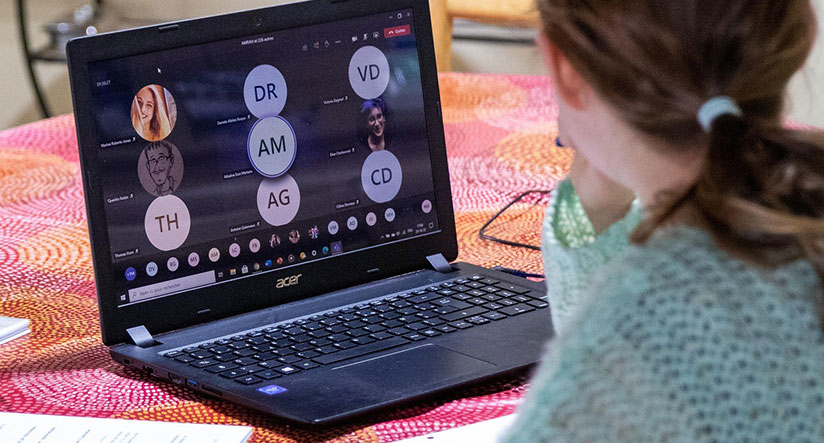
Stokab's neutral fiber optic network enables digital services for meetings, training, healthcare visits and remote work, which contributes to reducing fossil fuel use through, among other things, fewer transports.
Fossil-free organisation by 2030
Through Stokab’s neutral fibre-optic network, which enables digital services for meetings, education, healthcare visits and remote working, we contribute to reducing fossil fuel use, including by reducing transport. This supports the City of Stockholm’s Environmental Programme 2030, which aims to make the City’s operations fossil-free by 2030 and the entire city fossil-free and climate positive by 2040.
Stokab's Environmental and Climate Targets
Stokab has identified six environmental and climate targets to contribute to the achievement of the City’s objectives and to reduce Stokab’s own environmental impact. These targets are:
- Become a fossil-free organisation by 2030
- Improve energy efficiency in our operations
- Minimise the use of harmful substances
- Increase recirculation
- Ensure high resource efficiency
- Help build a smart and sustainable city
Stokab’s Environmental and Climate Plan sets out each target together with a number of related sub-areas. Through a clear allocation of responsibilities within the organisation, environmental and climate targets are integrated into our operations.
Climate change management
Stokab has procedures in place to ensure operational reliability in existing node rooms and other technical spaces in the event of climate-related incidents. Through alarm systems that respond to events such as extreme heat or flooding, the organisation can ensure the functionality of the network nodes.
When planning network deployment, the company may need to take climate change into account, such as heavy rainfall and prolonged heat.
This will become increasingly important during project planning and excavation work, where account must be taken of previously implemented climate-related measures in the City’s land, so that the land is properly restored following construction.